WHAT YOU NEED TO KNOW
- Converse pulled an advertisement featuring K-pop singer Karina after viewers said its imagery resembled a KKK robe and a lynching.
- The company apologized Saturday, removed the image from its channels, and said it was working to eliminate it everywhere else.
- Atlanta creator Kendall Peacock called the advertisement insensitive and said uncertain intent did not erase its impact.
- The backlash renewed discussion about workplace diversity as companies including Target face consequences after retreating from DEI initiatives.
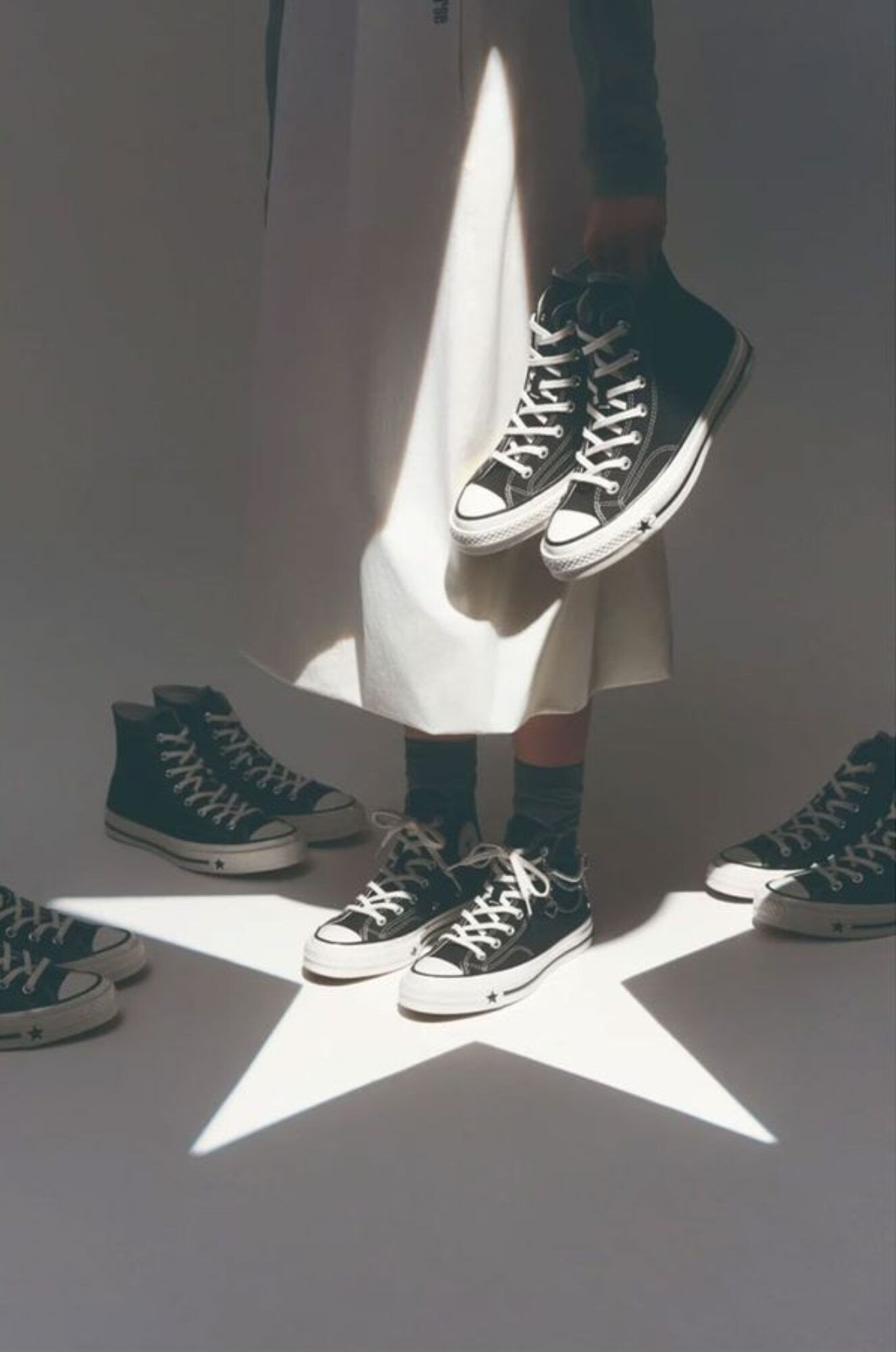
Converse has pulled an advertisement after its imagery drew outrage for resembling a lynching, a stunning failure for a multibillion dollar company. The ad reached the public despite imagery that many viewers found immediately disturbing.
The advertisement was created in partnership with K-pop singer Karina. It shows a young woman from the torso down in a long white dress, which many compared to a Ku Klux Klan robe, while she holds black 70 X Converse sneakers.
The composition created an even more alarming visual. Because of the framing, the dangling shoes appeared to some viewers like a person hanging beside the woman rather than an innocent display of footwear.
Converse apologized Saturday after the image attracted attention for all the wrong reasons. The company said it understood why people were upset and acknowledged responsibility for allowing the advertisement to appear.
“We’re sorry,” Converse said in a statement Saturday. “We understand why this image is deeply upsetting and recognize that we got this wrong.”
“We removed it from our channels and are working to remove it everywhere it appeared. This should not have happened and we will do better.”
The apology was direct, but it did not explain what the company intended the image to convey or how the advertisement survived the review process. That leaves Converse trying to contain the consequences of an image that becomes difficult to unsee once its resemblance to lynching is recognized.
Kendall Peacock, a creator based in Atlanta, addressed both the image’s impact and the uncertainty surrounding its intent. His response made clear that proving deliberate racism is not required before acknowledging the harm created by the advertisement.
“As a Black man and someone who loves Converse shoes, I find this very insensitive and distasteful,” Peacock said in a social media post. “Deliberate racist intent hasn’t been established yet, but that doesn’t erase the impact.”
It remains unclear whether Converse was among the companies that rolled back Diversity, Equity, and Inclusion efforts after President Donald Trump took office again. Still, the controversy has renewed discussion about why diversity within a workplace and its decision making process matters.
A broader range of perspectives can identify imagery and symbolism that others overlook. In this case, Converse released an advertisement that many viewers associated with both the Ku Klux Klan and the racist history of lynching.
The controversy also arrived amid reports of hanging deaths involving Black people. In 2026, the bodies of four Black people were found hanging from trees, although police ruled the deaths to be suicides.
Converse is not the only major company facing backlash connected to troubling imagery while corporate America retreats from DEI commitments. Target rolled back its DEI initiatives amid the Trump administration’s campaign against diversity efforts, then faced boycotts and damage to its business.
Just last month, Target launched Halloween costumes that included one closely resembling blackface and minstrel shows. Like Converse, Target apologized and removed the product after the imagery provoked criticism.
Target had already suffered consequences from its retreat on DEI. Customers boycotted the store, sales were hurt, and Target CEO Brian Cornell acknowledged that abandoning those initiatives affected the company’s bottom line.
Whether Converse will face similar business damage is not yet clear. But amid an administration pushing against diversity, the company has supplied a grim example of what can happen when offensive imagery makes it through every checkpoint and reaches the public.
Join the Discussion
COMMENTS POLICY: We have no tolerance for messages of violence, racism, vulgarity, obscenity or other such discourteous behavior. Thank you for contributing to a respectful and useful online dialogue.